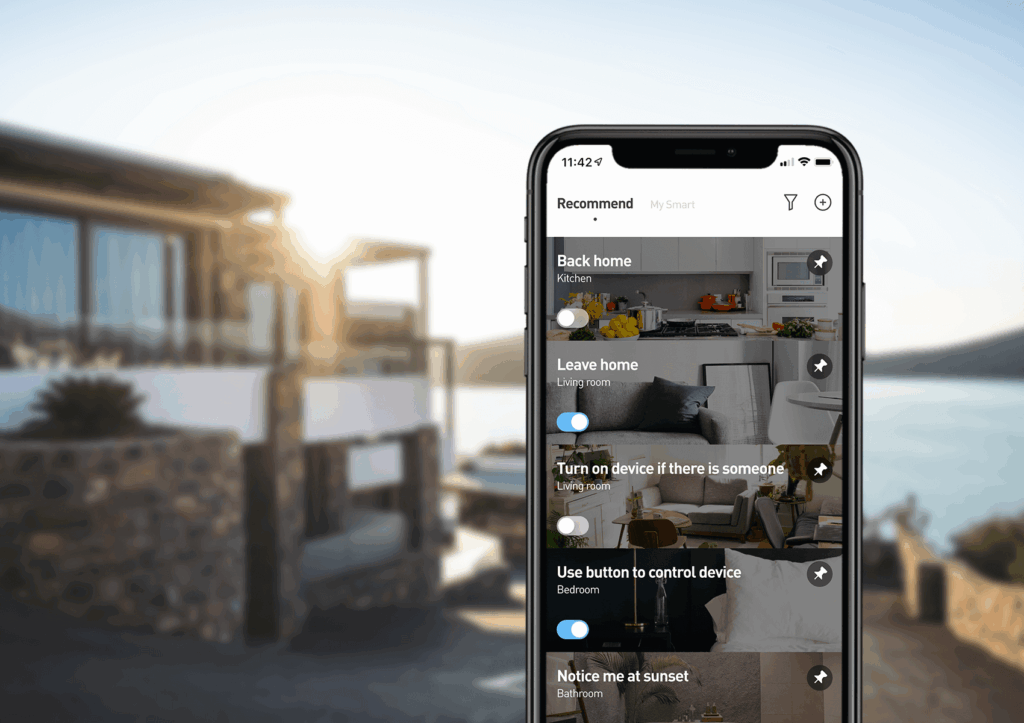
Home Strategies for Energy Efficiency
Updated: September 18, 2025
In today’s housing landscape, energy efficiency is no longer a luxury it’s a necessity. Rising utility costs, stricter sustainability standards, and the growing adoption of smart home technology mean that how we power, heat, and cool our homes is under more scrutiny than ever.
Energy-efficient strategies are not just about cutting costs; they’re about creating a home environment that is comfortable, sustainable, and future-ready.
Whether you’re living in a city apartment, managing a rental property, or upgrading your family home, the choices you make in energy usage have long-term impacts.
A well-planned strategy can reduce monthly expenses, improve home resale value, and align with global energy goals. The good news is that energy efficiency doesn’t always require massive renovations sometimes it starts with practical adjustments and smarter device integration.
This guide outlines the most effective strategies you can apply to your home today.
1. Smart lighting
Modern LED and smart lighting systems are among the simplest yet most impactful upgrades. LEDs consume up to 80% less energy than traditional bulbs and last far longer. Paired with motion sensors or smart dimmers, homeowners can automate usage
ensuring lights are only active when needed.
Pro Tip: Choose tunable smart bulbs that adjust brightness and warmth, enhancing comfort while saving energy. [Affiliate link space here]
2. Efficient appliances
Appliances account for a large portion of household energy consumption. Investing in Energy Star–certified refrigerators, washing machines, and dishwashers can cut annual energy bills significantly. While the upfront cost is higher, the long-term savings often offset the difference within just a few years.
Pro Tip: Pay attention to the energy guide labels when purchasing. They provide exact consumption figures to help you compare options. [Affiliate link space here]
3. Smart thermostats
Heating and cooling remain the biggest contributors to energy use. Smart thermostats allow you to customize temperature schedules, track usage, and even learn your habits.
Many models also provide insights into peak usage times, helping you further refine your energy habits.
pro Tip: Combine a smart thermostat with ceiling fans and zoned heating/cooling systems for maximum efficiency. [Affiliate link space here]
4. Insulation & windows
Even the smartest devices won’t compensate for poor insulation. Heat loss through walls, roofs, and windows can drive energy costs up by 20–30%.
Upgrading insulation and investing in double- or triple-glazed windows ensures your heating and cooling efforts aren’t wasted.
Pro Tip: Start with an energy audit of your home to identify weak points before committing to large investments. [Affiliate link space here]
5. Renewable energy
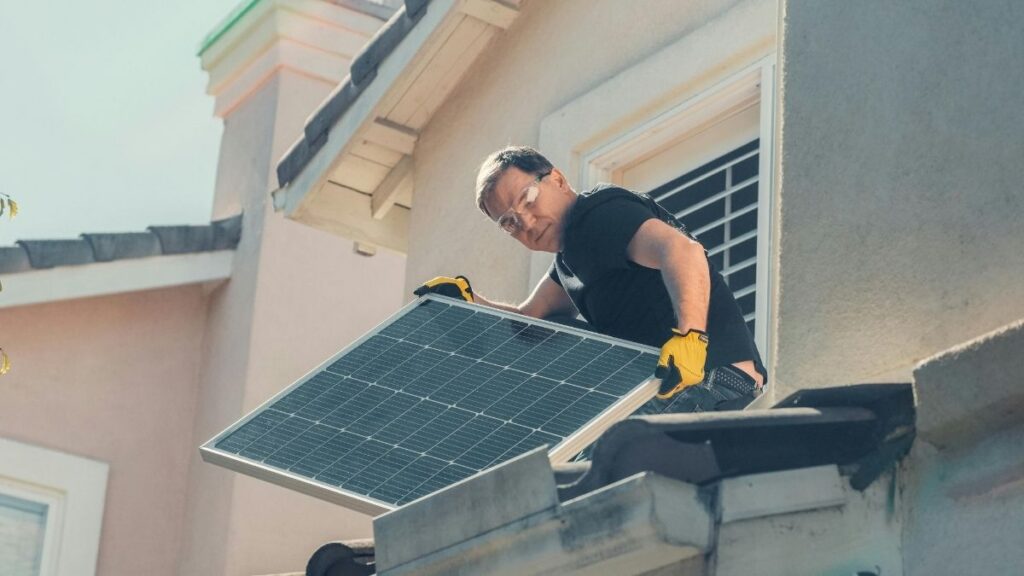
Solar panels, home battery systems, and geothermal heating are no longer limited to eco-conscious pioneers—they’re becoming mainstream. While the initial installation is costly, incentives and tax credits can make renewable options viable.
Over time, these systems reduce dependence on traditional energy grids and protect homeowners from fluctuating utility prices. [Affiliate link space here]
6. Water Heating
Water heating is often overlooked but contributes heavily to household energy consumption. Consider installing tankless water heaters that heat water on demand instead of maintaining a constant supply
For traditional tanks, adding an insulating blanket can reduce energy loss
Pro Tip: Lowering the water heater thermostat by just a few degrees can save up to 10% on water heating costs annually. [Affiliate link space here]
7. Smart Habits
Technology is powerful, but behavior is equally important. Using smart plugs, monitoring energy dashboards, and creating household routines (like unplugging idle devices) can cut phantom energy loads.
Even small actions, when consistent, make a measurable impact over time. [Affiliate link space here]
Conclusion
Energy efficiency is not about one-off changes—it’s a comprehensive approach that combines technology, infrastructure improvements, and daily habits.
By applying these strategies, homeowners can significantly lower costs, improve comfort, and contribute to a sustainable future. Your home doesn’t just become more energy-efficient—it becomes smarter, more valuable, and more resilient.
Disclosure: This post may contain affiliate links. If you make a purchase through these links, Furnished Journeys may earn a small commission at no extra cost to you. These partnerships help us continue providing reliable guides, resources, and recommendations. We only feature products and services that align with our standards for quality, value, and usefulness to our readers.